
Documents of Agreement
https://www.ecupatria.org/documents/first-agreed-statement-1989/
https://www.ecupatria.org/documents/second-agreed-statement-1990/
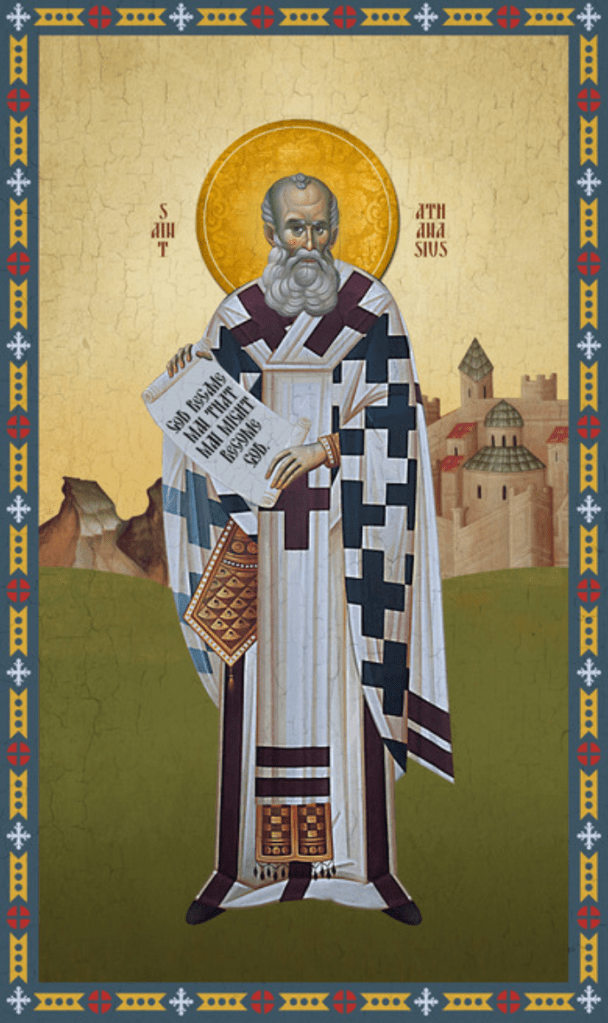
St. Athanasius of Alexandria – Known as a defender of Trinitarian theology against Arianism, his works and life are celebrated in both churches.
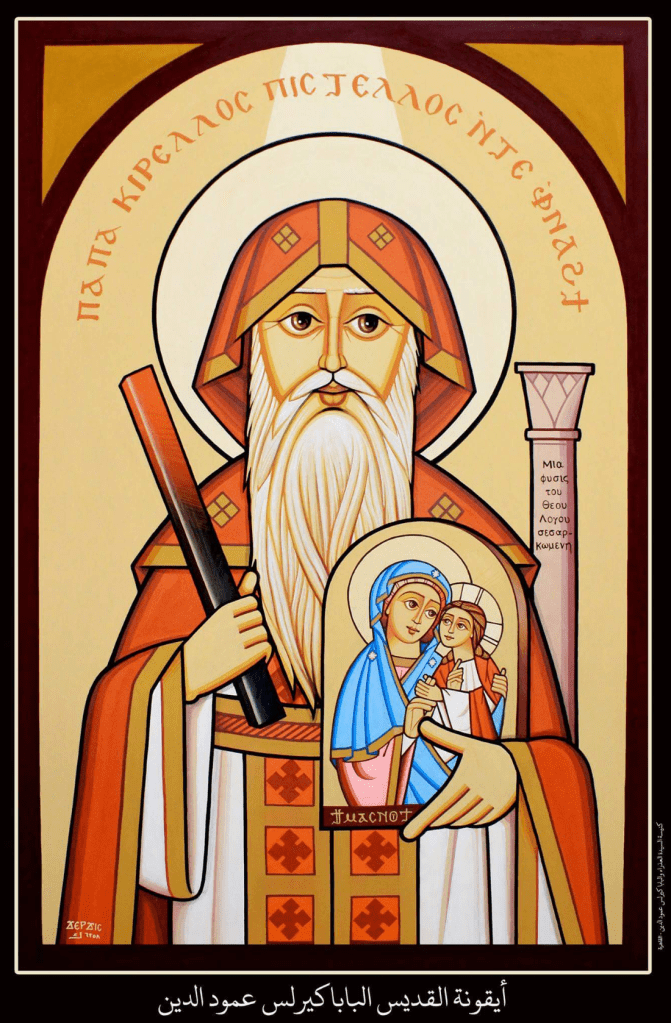
St. Cyril of Alexandria – Famous for his role in the Christological controversies and his influence on the definition of the hypostatic union, St. Cyril is venerated in both traditions.
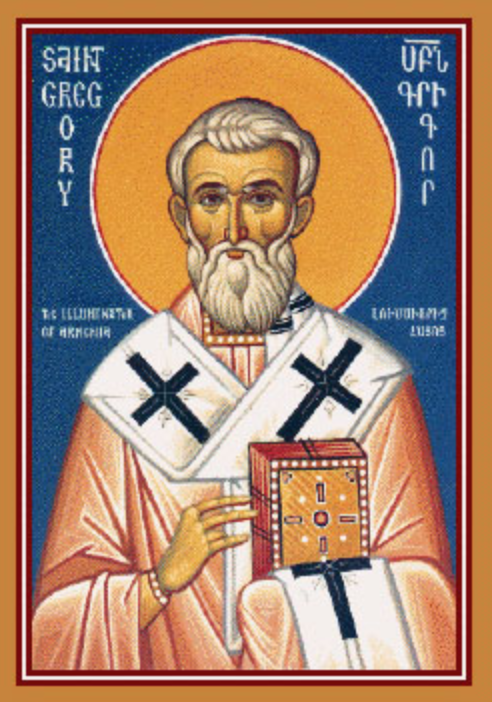
St. Gregory the Illuminator – Recognized as the patron saint and first official head of the Armenian Apostolic Church, his work in spreading Christianity in Armenia is respected in both communions.
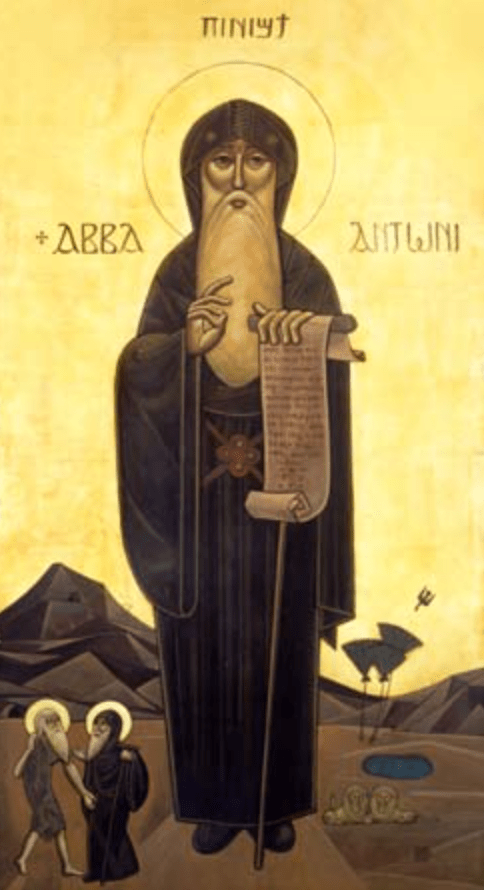
St. Anthony the Great – Often referred to as the Father of Monasticism, St. Anthony’s influence on Christian asceticism is acknowledged across different Orthodox traditions.
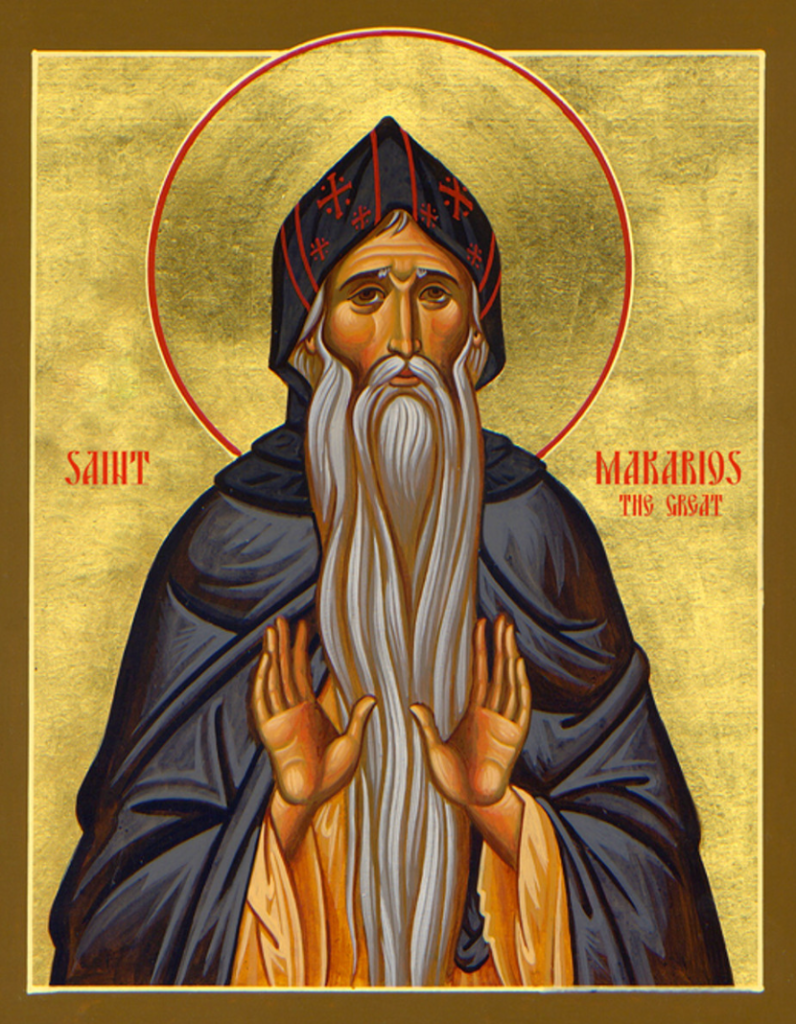
St. Macarius the Great – An Egyptian monk whose spiritual writings and life in the desert are inspirational in both traditions.
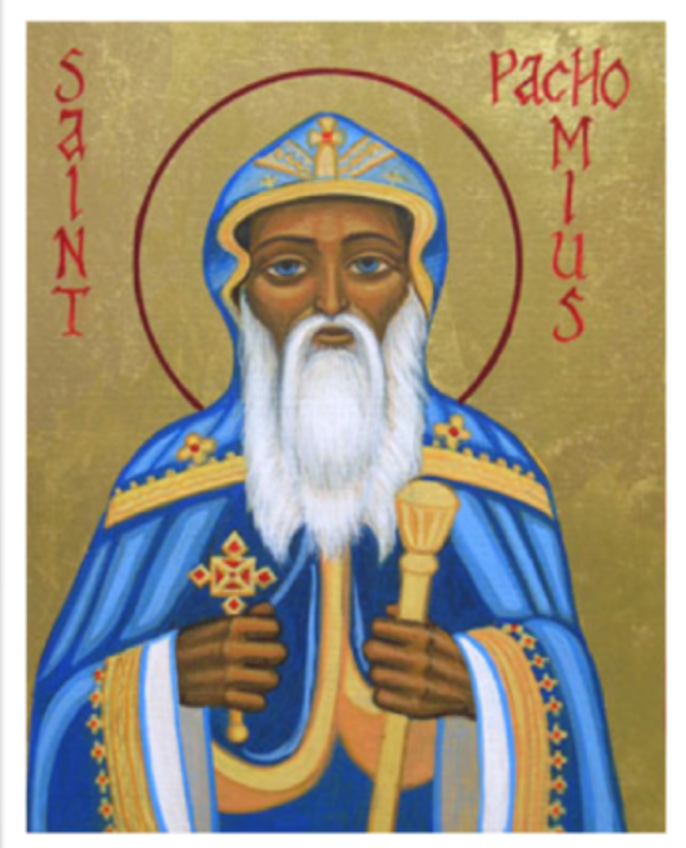
St. Pachomius the Great – Known for founding a cenobitic monastic community, his rules and the monastic tradition he established are revered in both Eastern and Oriental Orthodoxy.
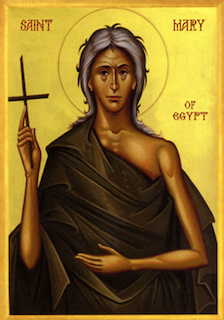
St. Mary of Egypt – Celebrated for her life of penance and conversion in the desert, she is a prominent figure in the Lenten liturgical traditions of both churches.
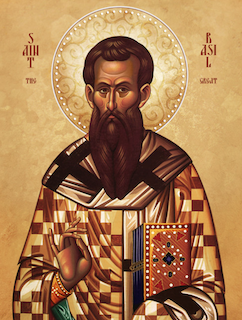
St. Basil the Great – While more commonly associated with the Eastern Orthodox Church for his theological writings and influence on monasticism, his contributions are also recognized in the Oriental Orthodox Churches.
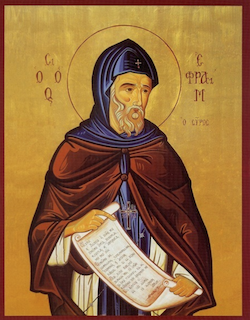
St. Ephrem the Syrian – A prolific Syriac-language hymnographer and theologian, St. Ephrem’s writings and hymns are used in both liturgical traditions.
 Orthodoxy of the Heart